Why East Africa refugees remain financially underserved
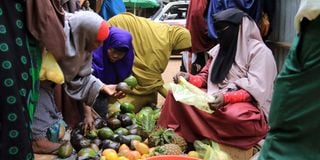
Somali refugees in a market at Hagadera Refugee Camp in Daadab, Kenya. Properly integrating displaced populations within a host country’s financial system invites often thorny political issues and private sector players are erring on the side of caution. PHOTO | FILE | NMG
Properly integrating displaced populations within a host country’s financial system invites often thorny political issues and private sector players are erring on the side of caution.
There has been progress in providing financial solutions to displaced populations, particularly in stable contexts where business and personal financial interests are protected by governments and civic institutions and personal identities are more entrenched. But in the contexts where refugees struggle with instability, little documentation, a tenuous status or few financial links, those strides can vanish.