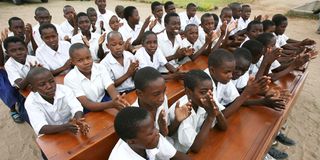
In many postcolonial contexts, early learning is conducted, and assessed, in a language that is unfamiliar to learners. About 40 percent of the world’s population cannot access schooling in a language that they understand and that is regularly used in their communities. This figure may be as high as 80 percent in Sub-Saharan Africa.
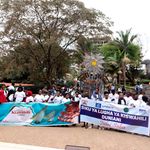
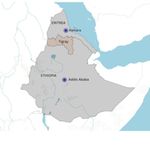
Language policies in some countries preserve a role for mother tongue or other familiar local languages in the first years of schooling. This is the case for example in Kenya, Botswana and Ethiopia. In Tanzania, the national language – Kiswahili – is the language of instruction in primary schooling. The use of Kiswahili at this level was seen as integral to forging a new national Tanzanian identity after independence.