Similar yet different: The days that re-defined Kenyan politics
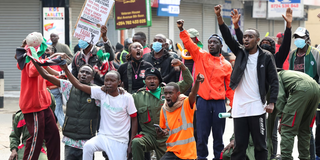
Protesters participate in a demonstration marking the first anniversary of the 2024 anti-government protests, which drew widespread condemnation over the use of force by security agencies, in Nairobi, Kenya, on June 25, 2025.
On July 7, 1990, Kenyans flooded the streets of major towns to demand an end to the Kanu dictatorship. The rebellion was led by opposition leaders like Martin Shikuku, Oginga Odinga, and James Orengo. The regime reacted with predictable ferocity, killing an unknown number of demonstrators. Hundreds of others were maimed; some of them for life. Others in their hundreds were arrested and thrown into Kenya’s hellish prisons. However, that sacrifice of blood, tears and suffering began a liberating process. Officially sanctioned torture chambers, where hundreds of dissidents had suffered horrific torture, were dismantled. Colonial sedition laws, which were used to put real and imagined critics of the state in prison, were removed. The gradual dismantling of the Orwellian police state, in which ‘Big Brother’ kept an eye on those , as Kenyans were warned , ‘not singing like parrots’, began.
On June 25, 2024, youth took to the streets to protest punitive taxation to underwrite opulent lifestyles of regime members. Taxation, however, was only the trigger. The youth demanded an overhaul of the Kenyan political oligarchy that had condemned them to the periphery of economic life, while ensuring fabulous lifestyles for the well-connected.