EDITORIAL: After pact, South Sudan leaders must aim for unity
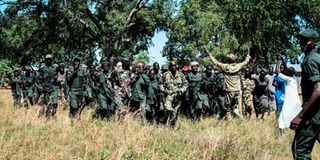
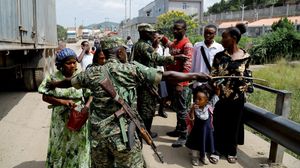
Members of a rebel group in South Sudan on October 17, 2019. Representatives last week signed a declaration of principles that will guide the dialogue on core issues. PHOTO | FILE | NMG
On January 9, 2005, in Naivasha, the belligerents to the Sudan conflict put pen to paper, ending what was then billed as Africa’s longest running war. The Comprehensive Peace Agreement between Khartoum and the Sudan Peoples’ Liberation Movement (SPLM), set the stage for later events that would culminate in the birth of Africa’s youngest nation, South Sudan on June 9, 2011.
Brokered by the Intergovernmental Authority on Development, a sub-regional grouping and a troika of donors, the CPA as it is popularly known, was the penultimate point of a process that had started just under three years earlier. Colonel John Garang, the leader of the SPLM, was a reluctant secessionist. In several engagements with media in the 1990s, he espoused the principle of a united Sudan under which all citizens enjoyed equal rights. Sadly, the government in Khartoum did not offer sufficient incentives to stop the eventual separation of the country into two, six years later.