July has, for years, been one of East Africa’s most restless and epic months, and as it nears its close, it’s time to reflect on the end of one of its most consequential events.
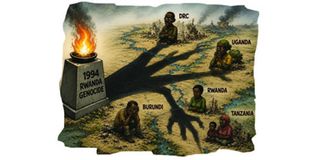
On July 17, 1994, what the United Nations later designated the Genocide against the Tutsi officially ended, when the Rwanda Patriotic Army/Front took power and established a government of national unity. It marked the sunset of the most murderous 100 days in the world of the 20th century, with one million Tutsi and opposition Hutu having been slaughtered by the Army and its Hutu extremist militia allies, the Interahamwe.